Explore our latest findings on board governance.
A strategic asset that is far too underexploited
Long reduced to its natural wealth and its extractive potential, Africa is above all rich in its youth. Nearly 60% of Africans are under the age of 25 – a unique comparative advantage on a global scale. But this asset can turn into a risk if the education, health and employability systems are not adapted to unlock its value.
Patrick Koffi Placktor, AfricSearch
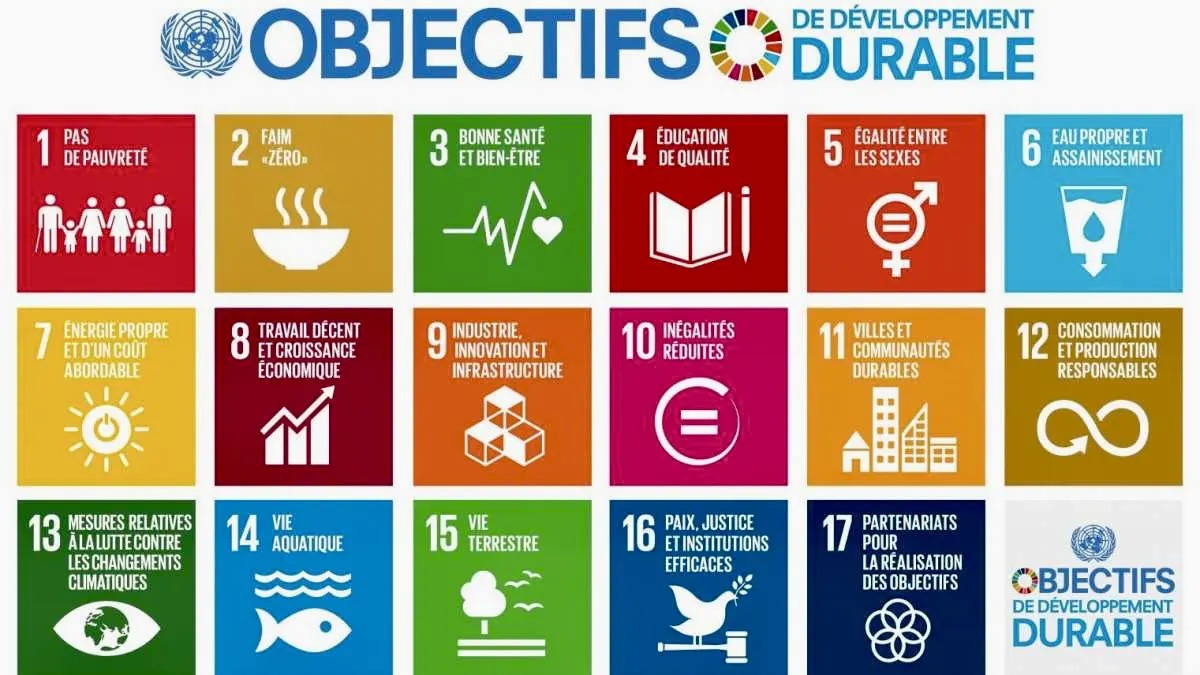
Human capital is not limited to academically well-trained talents. It encompasses all the skills, knowledge, abilities, know-how and values that allow an individual to be an actor in their destiny, productive and engaged in society. None of the 17 SDGs can be achieved without significant progress in human capital, particularly in Africa. It is a transversal lever, invisible but essential, substantial, which conditions economic, social and environmental sustainability.
Structural challenges that slow down impact
If the ambition is clear, the path to achieving it remains strewn with obstacles. African states devote on average 4.5% of GDP to education, an encouraging level but largely insufficient given demographic challenges. Higher education remains a privilege for a minority: only 6% of young Africans access it, compared to 40% on the world average. Weak health systems generate a loss of productivity estimated at up to 3% of GDP per year. However, SDG 3 (health and well-being) directly conditions the performance of economies. Public policies still lack integrated governance of human capital: few countries have aligned their educational, health and employment strategies with their long-term economic planning.